Dolphin Echo is loaded onto a transport truck at Marineland in Niagara Falls, Ontario on 26 August 2026, beginning the journey to Oceanografic Valencia in Spain. Photo: The Canadian Press / Carlos Osorio.
Canada’s last four captive dolphins departed Marineland in Niagara Falls, Ontario on Wednesday 26 August 2026, bound for a new home at Oceanografic Valencia in Spain — marking a significant milestone in one of the largest collective relocations of captive marine mammals ever undertaken in North America. The dolphins making the journey are Echo, Lida, Marina and Tsunami, accompanied by two belugas, Cleopatra and Jelly Bean.
The transfer is part of a broader, months-long operation that has seen 30 belugas and four dolphins relocated from the now-shuttered Ontario theme park since mid-July 2026. Marineland, which announced it was running out of funds to care for its animals and that the park is up for sale, turned to a consortium of North American and Spanish aquariums after the Canadian federal government blocked an earlier plan to send the animals to a facility in China, ruling that the move violated the spirit of Canada’s 2019 law banning new whale and dolphin captivity and forbidding breeding and performances.
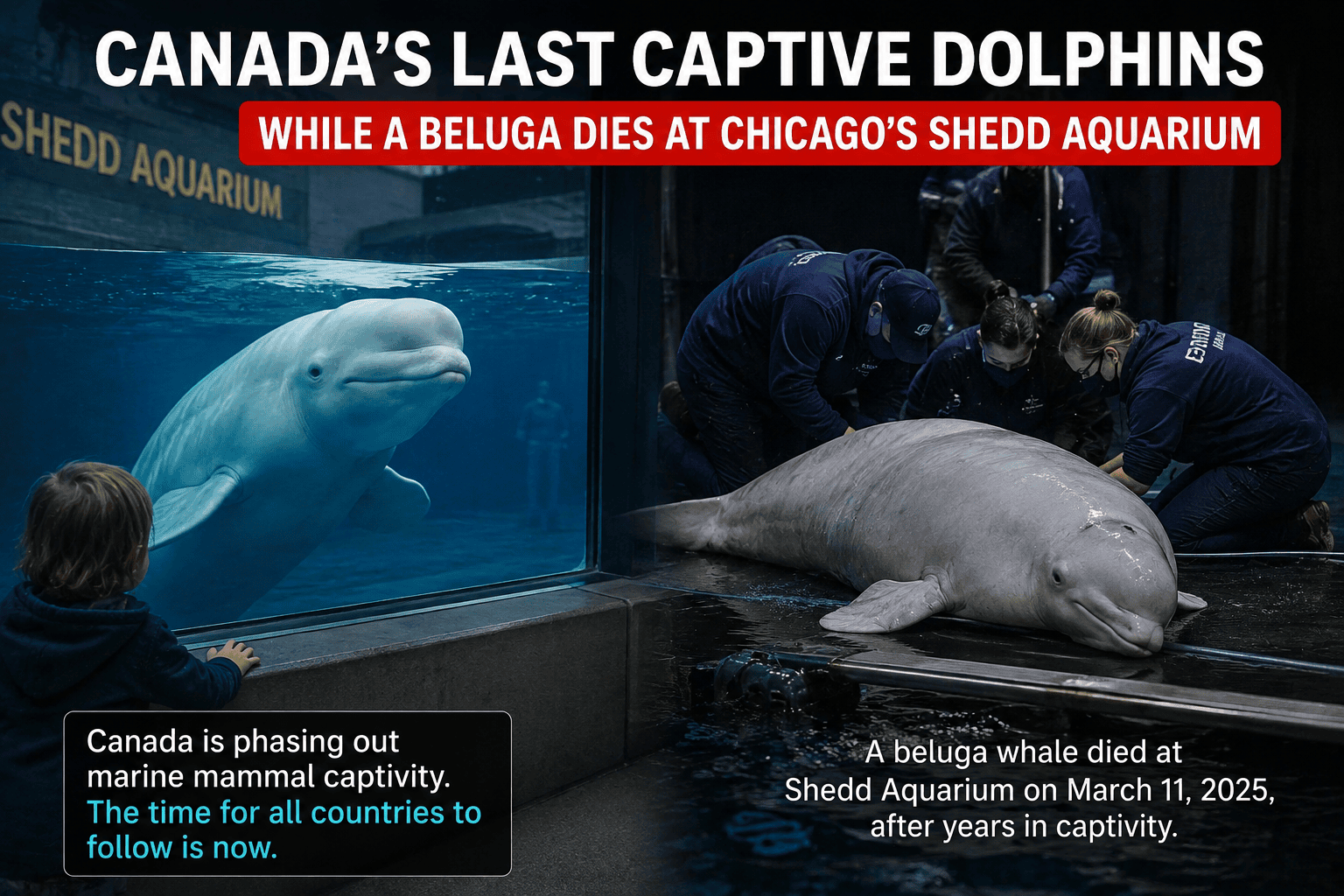
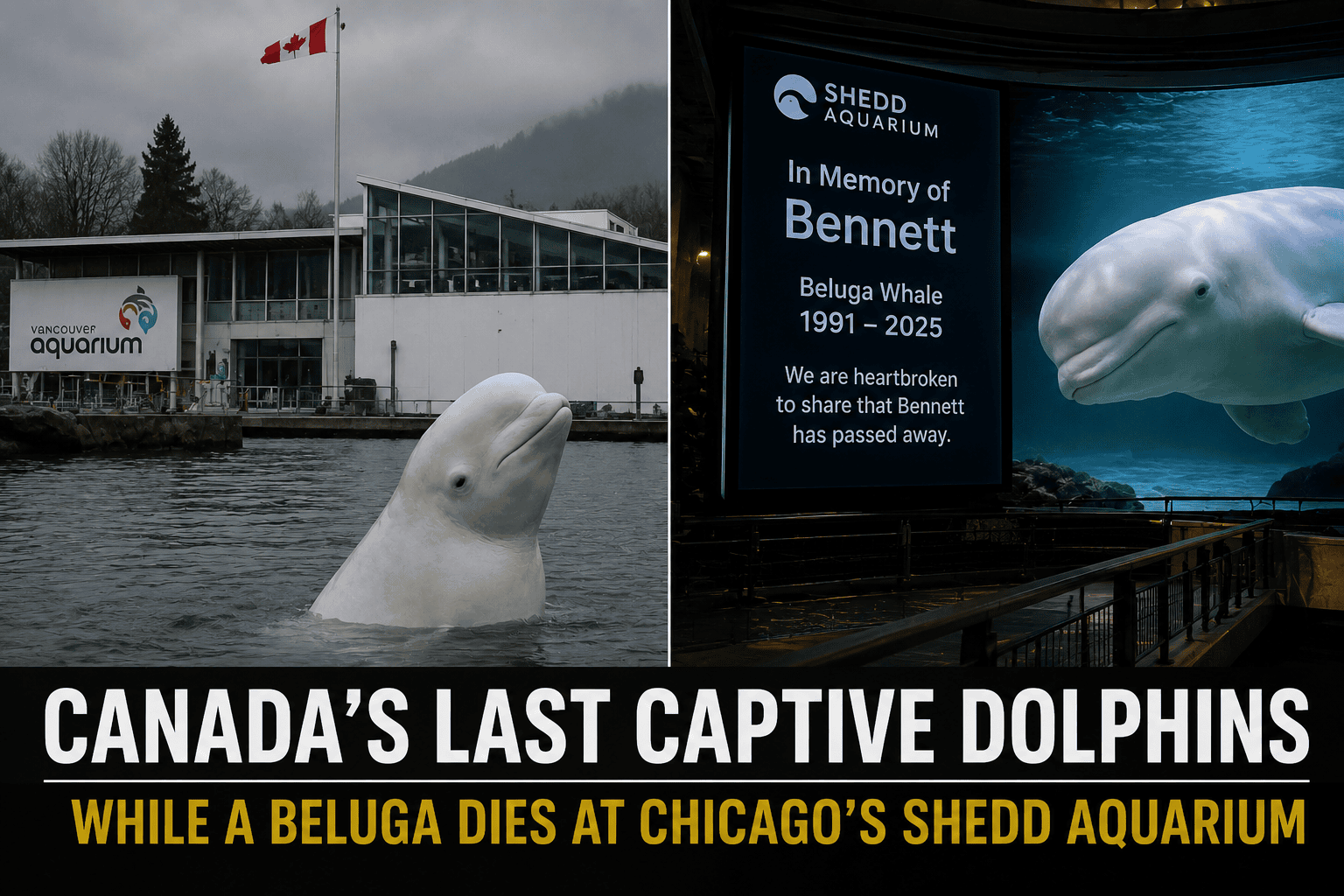
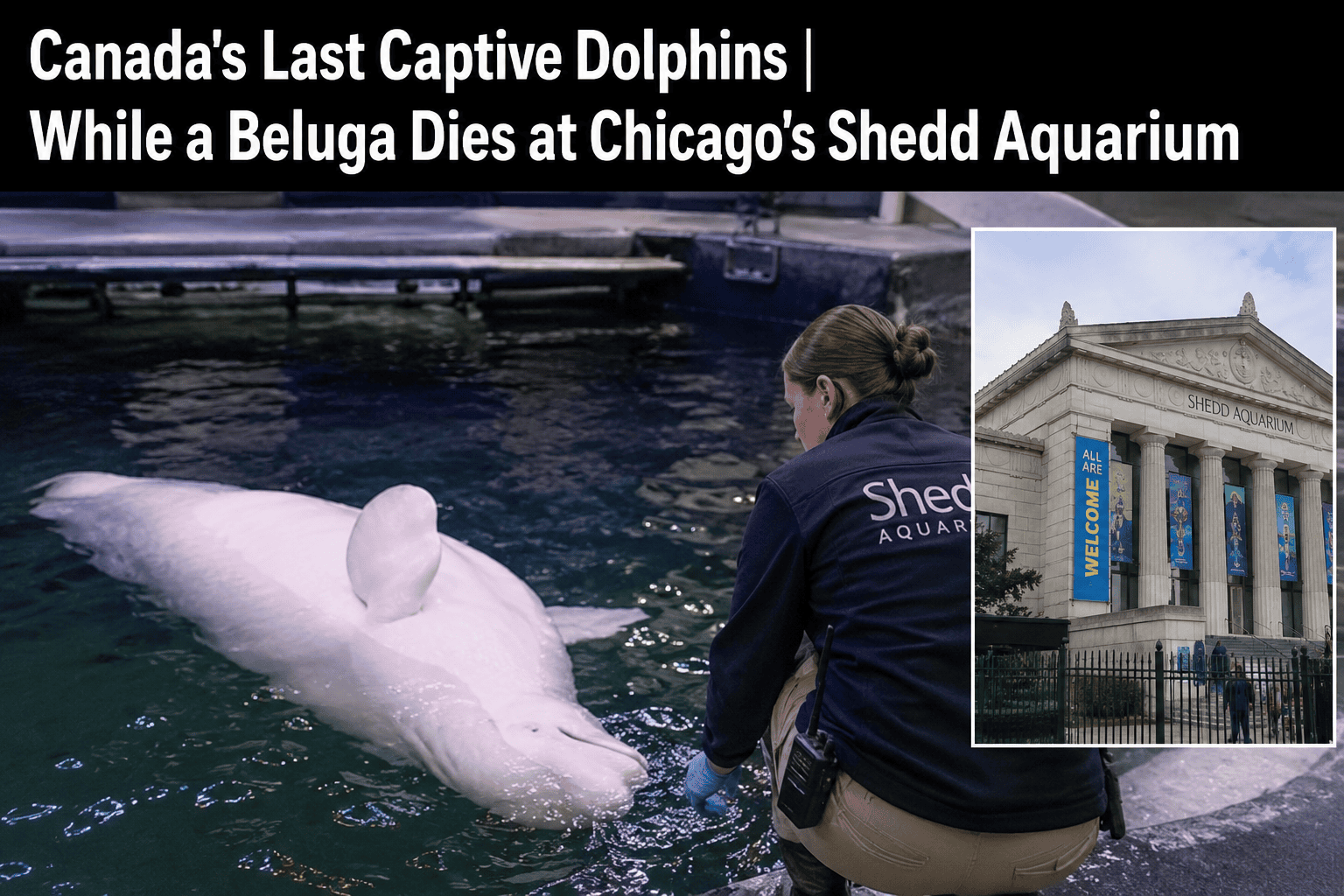
The news from Marineland came alongside a sobering development at the Shedd Aquarium in Chicago, which confirmed on Wednesday that Peekachu — a 23-year-old female beluga relocated from Marineland two weeks prior — died Tuesday night. Shedd stated that blood tests revealed Peekachu was dehydrated, and despite receiving care and fluids, staff were unable to save her. The aquarium, which has taken in eight of Marineland’s belugas in total, described staff as devastated by the loss.
Marineland expressed sadness at Peekachu’s death but maintained that the remaining belugas at Shedd are receiving the best possible care. The death raises difficult questions about the stress and health risks associated with long-distance transport of large marine mammals, particularly older individuals who may be less resilient to the physiological demands of relocation.
What This Means for Captive Marine Mammal Keeping
The Marineland situation has brought renewed international attention to the welfare standards surrounding captive cetaceans. Canada’s 2019 Ending the Captivity of Whales and Dolphins Act was among the world’s most progressive pieces of legislation on the issue, effectively prohibiting the future captivity of new whales and dolphins in Canada while creating a complex transition challenge for existing facilities still holding animals under its provisions.
For the aquarium hobby community, the story is a reminder of the scale and complexity of large-scale marine mammal welfare — and the significant differences between the conservation and welfare challenges facing large public aquariums and the smaller-scale marine aquarium hobby. Public aquariums housing large cetaceans face regulatory, ethical and logistical challenges of an entirely different magnitude from those facing home marine aquarium keepers, yet both communities share an underlying interest in the health, welfare and conservation of aquatic life.
The six belugas still remaining at Marineland are expected to complete their transfer to a US facility in the coming weeks, at which point Marineland will have fully relocated all of its marine mammals ahead of the property sale.
- Fish Aquarium Problems and Solutions — water quality and welfare principles applicable to all aquarium keeping
- Fish Aquarium Types and Setup Guide — understanding the full range of aquarium types from home nano tanks to public displays
- Beginner’s Guide to Fish Care — responsible fishkeeping principles starting from day one
- Casey, L. / The Canadian Press (2026). Canada’s last captive dolphins leave Marineland as one of its belugas dies in Chicago. Published 26 August 2026.
- Government of Canada (2019). Ending the Captivity of Whales and Dolphins Act (Bill S-203). Department of Justice Canada.