August 2026
 17 min read✍️ AquariumsWorld Team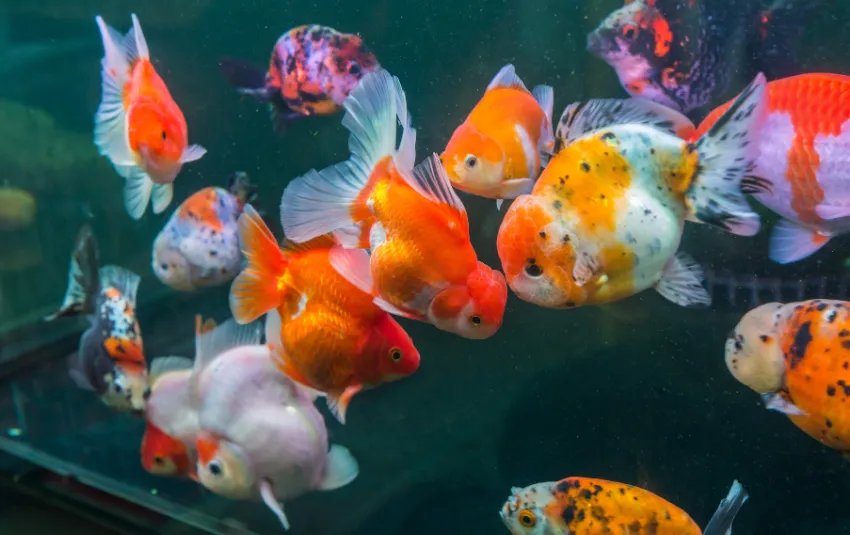
The Oranda Goldfish is one of the most beautiful, distinctive and beloved fancy goldfish varieties in the world. Recognised instantly by the fleshy wen — the raspberry-like head growth that gives Orandas their crown-like appearance — these fish are prized by collectors and beginners alike. This complete Oranda Goldfish care guide covers everything from Oranda Goldfish tank size requirements and Oranda Goldfish lifespan to wen health, water parameters, feeding, the rarest colour varieties including Black Oranda and Panda Oranda, compatible tank mates and the most asked care questions — all backed by real peer-reviewed aquatic science research.
 Table of Contents
- What Is an Oranda Goldfish
- Oranda Goldfish Size and Growth Rate
- Oranda Goldfish Lifespan
- Oranda Goldfish Tank Size Requirements
- Water Parameters and Tank Setup
- Wen Care — The Oranda Head Growth
- Feeding Guide
- Oranda Goldfish Types and Colour Varieties
- Compatible Tank Mates
- Common Health Problems
- People Also Ask — FAQ
- References and Citations
1. What Is an Oranda Goldfish?
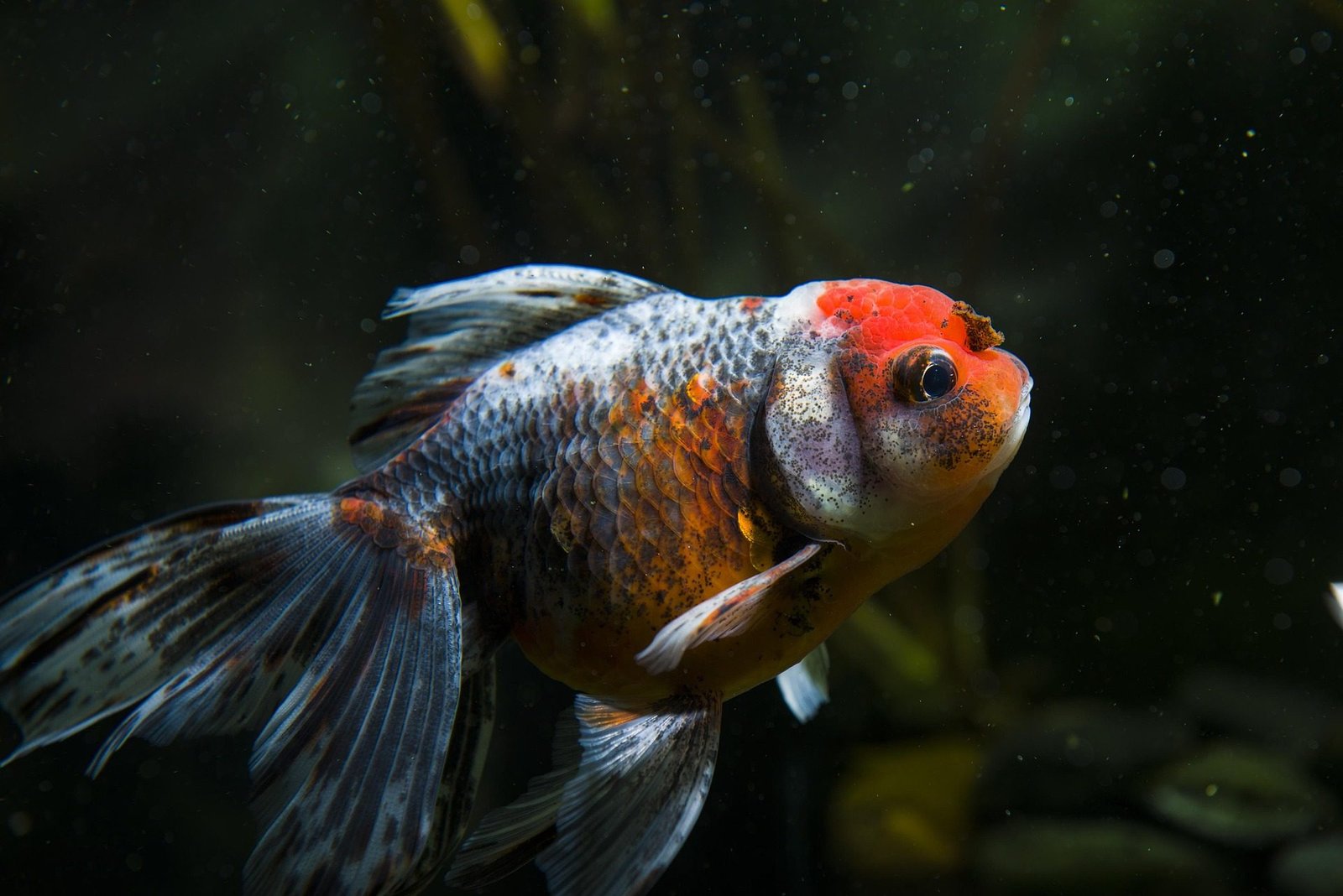
The Oranda Goldfish (Carassius auratus) is a domesticated fancy goldfish variety developed through centuries of selective breeding in China and Japan, distinguished from all other goldfish varieties by the distinctive fleshy head growth known as a wen — also called a hood or cap. The wen is a benign proliferating growth of the cephalic region that develops progressively from 3 months of age, typically reaching its full expression between 1 and 2 years. In premium show specimens, the wen may envelop the entire head while leaving the eyes and mouth fully functional and unobstructed.
According to the United States Fish and Wildlife Service Ecological Risk Screening Summary (2024), Carassius auratus has been a domesticated ornamental fish for over 1,000 years — with Chinese goldfish records dating back to the Tang Dynasty (618–907 AD) and Japanese selective breeding of fancy varieties including the Oranda commencing approximately 200 to 400 years ago [1]. The Oranda is believed to have originated from crossbreeding of Wakin and Ryukin goldfish — two earlier fancy varieties — with the distinctive wen trait emerging and being intensively selected for across generations of deliberate breeding programmes.
Today, Oranda Goldfish are available in an extraordinary range of colour varieties. The classic red and white Oranda remains the most recognisable, but breeders have developed stunning variations including the Black Oranda Goldfish, the rare and striking Panda Oranda Goldfish, the blue-scaled Blue Oranda, the metallic Chocolate Oranda, the brilliant Red Cap Oranda with its contrasting white body and vivid orange wen, and many more. Research published in Animals (MDPI) by Al-Khalaifah et al. (2020) studying reproductive performance in fancy goldfish broodstock documents that Carassius auratus demonstrates remarkable genetic plasticity — the trait that allows breeders to develop and stabilise the extraordinary diversity of colours, fin shapes and body forms seen across modern fancy goldfish varieties [2].
2. Oranda Goldfish Size and Growth Rate
Understanding Oranda Goldfish size is essential for correct tank planning. Orandas are among the larger fancy goldfish varieties, and new keepers frequently underestimate their adult dimensions. A fully grown Oranda Goldfish size ranges from 8 to 12 inches (20 to 30 cm) in a well-maintained aquarium, with some pond-kept specimens reaching 14 inches or more when maintained in optimal conditions with abundant space and food availability [3].
Research by Herrera-Castillo et al. (2024) published in Biology (MDPI) measuring metabolic rates in Carassius auratus under various aquaculture conditions confirms that goldfish growth rate is strongly correlated with feeding frequency, water temperature and available swimming space — with fish fed to satiety showing a 35 percent increase in oxygen consumption peaking 3 hours after feeding, and returning to baseline metabolic rates after 7 hours [4]. This research underlines why Oranda Goldfish in larger, well-filtered tanks grow significantly faster and reach larger final sizes than those kept in undersized, nutrient-depleted water.
| Age | Typical Body Length | Wen Development | Key Milestone |
|---|---|---|---|
| Oranda Goldfish Baby (0–3 months) | 0.5 to 1.5 inches | None visible | Colour begins developing — fry start transparent |
| Juvenile (3–6 months) | 1.5 to 3 inches | First wen bumps appear | Fins begin elongating — sex difficult to determine |
| Young Adult (6–12 months) | 3 to 5 inches | Wen expanding actively | Full coloration established — sexing possible |
| Adult (1–2 years) | 5 to 8 inches | Near full development | Sexual maturity reached — breeding possible |
| Fully Grown (2+ years) | 8 to 12 inches | Fully developed wen | Maximum size reached — depends on tank and diet |
3. Oranda Goldfish Lifespan
The Oranda Goldfish lifespan is one of the most impressive in the aquarium hobby. With proper care, an Oranda can live between 10 and 15 years in a well-maintained aquarium. In large outdoor ponds where space and water quality are optimal, Oranda Goldfish lifespan can extend to 20 years or beyond — with verified records of goldfish living over 25 years in exceptional conditions [1].
The primary determinants of Oranda Goldfish lifespan are water quality, tank size, diet quality and disease prevention. Research by Nofouzi et al. (2024) published in Fish Physiology and Biochemistry demonstrated that Carassius auratus immune function, disease resistance and growth performance are directly and significantly affected by gut health, feeding practices and environmental conditions — confirming that the keeper’s daily management decisions have a measurable, documented effect on fish longevity [5].
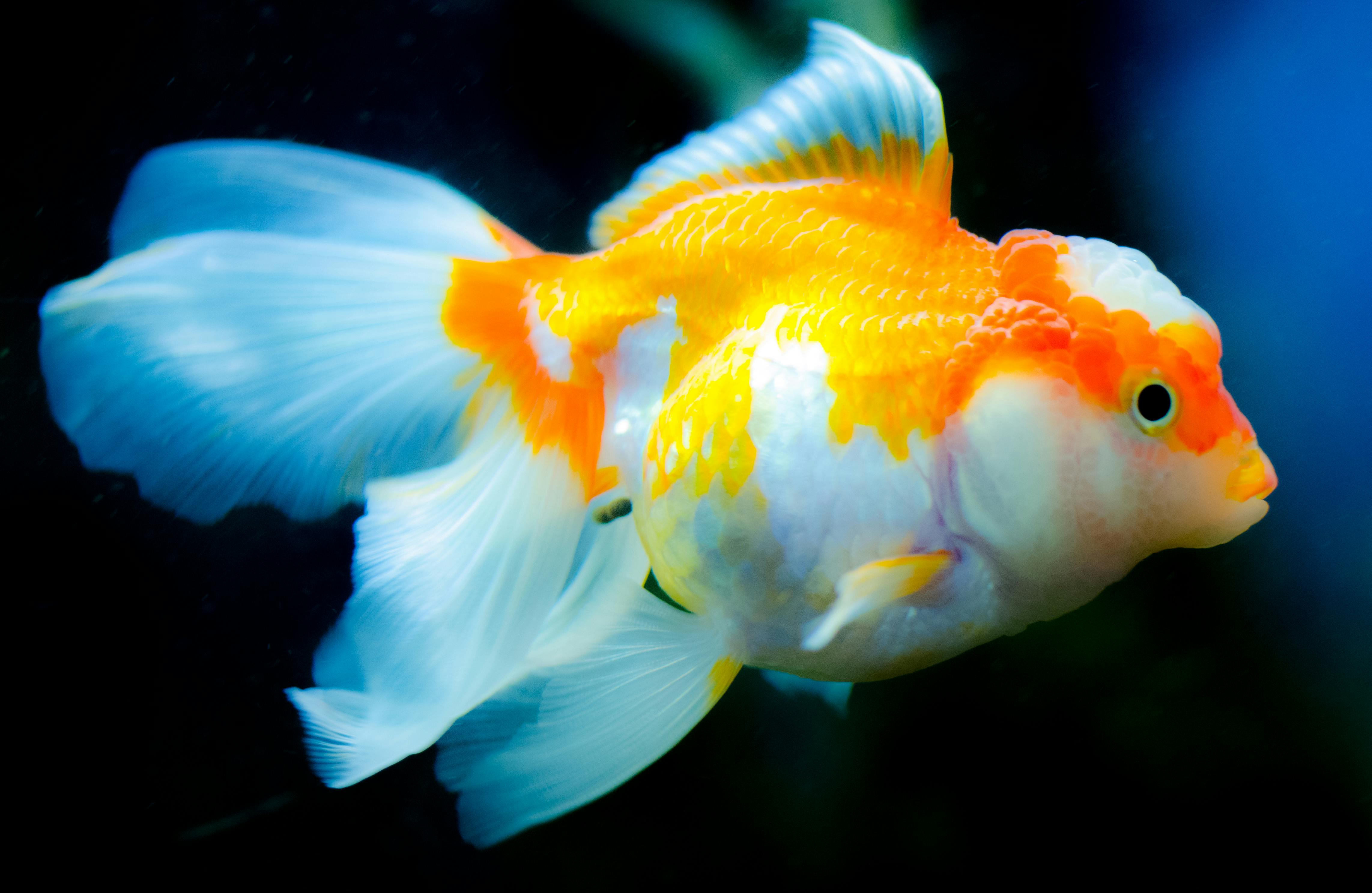
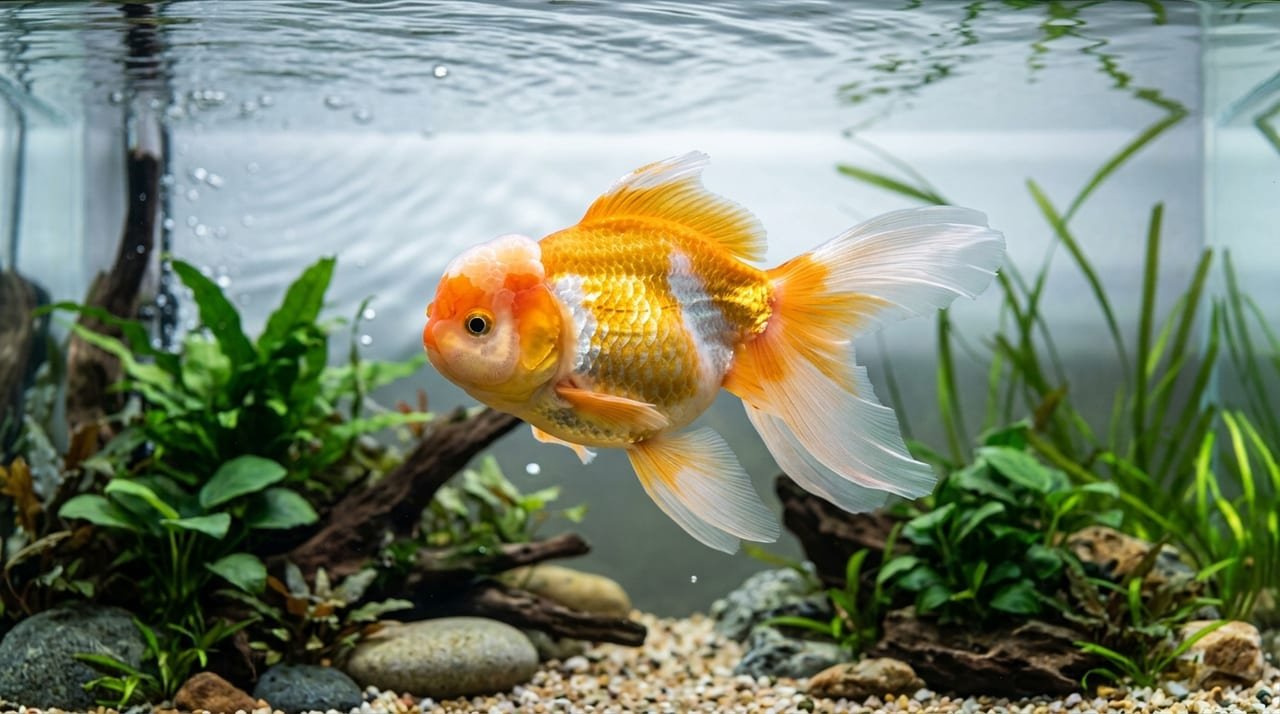
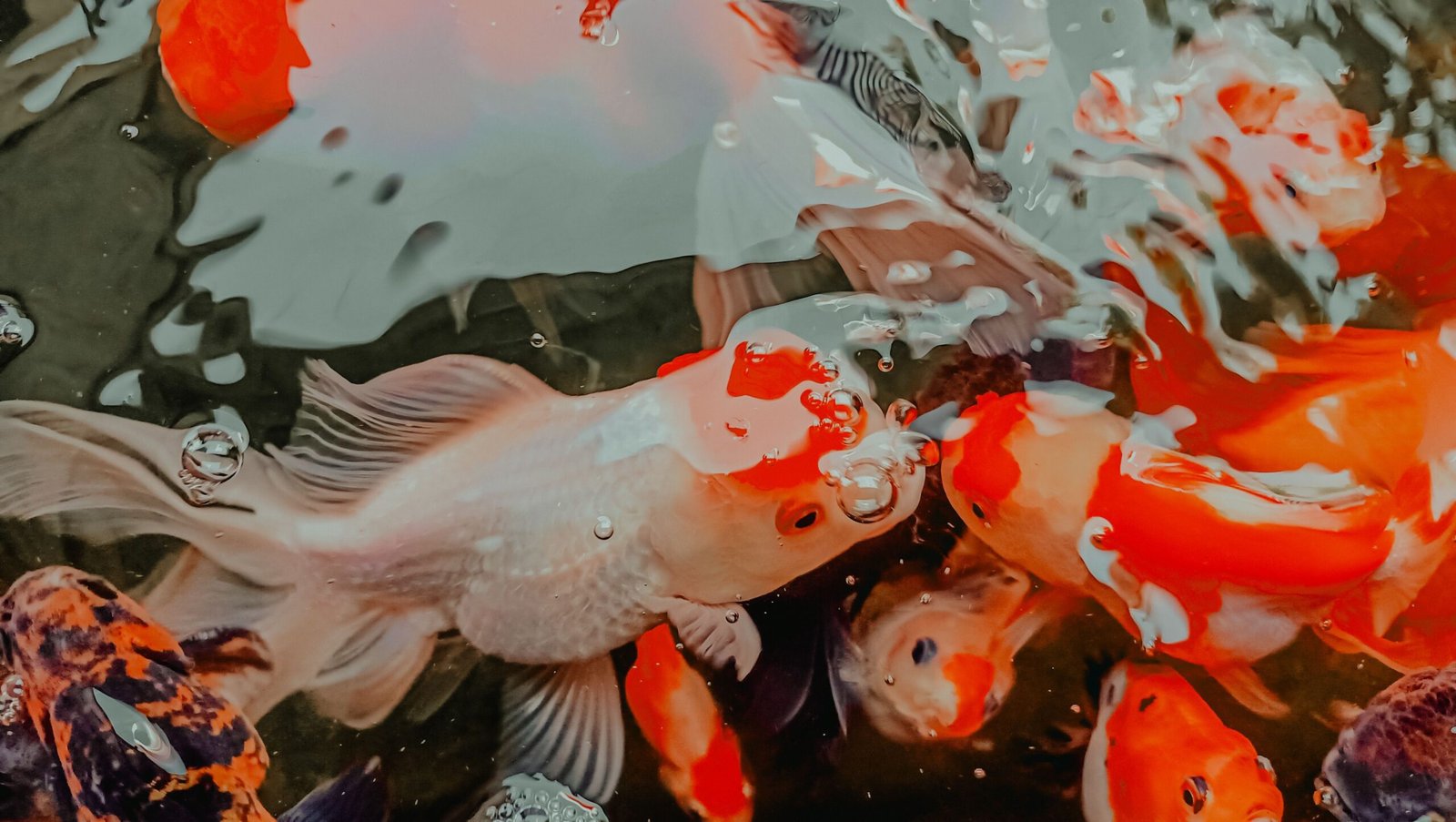 A fully grown adult Oranda Goldfish showing complete wen development, flowing double tail fins and mature coloration at 8 to 12 inches body length.
4. Oranda Goldfish Tank Size Requirements
Providing the correct Oranda Goldfish tank size is the single most important factor in the long-term health of these fish. The American Veterinary Medical Association (AVMA) aquatic animal health guidance and the Merck Veterinary Manual both specify a minimum of 20 gallons for a single fancy goldfish variety such as the Oranda, with an increase of at least 10 gallons per additional Oranda added to the tank [6]. This recommendation is based on the substantial metabolic waste production of goldfish, the associated ammonia and nitrate loading, and the oxygen consumption requirements of these large, active fish.
The most common husbandry error reported in the veterinary goldfish literature is housing Orandas in tanks that are far too small — leading to chronic ammonia and nitrite exposure, stunted growth, immune suppression, and premature death [6]. Research by Herrera-Castillo et al. (2024) confirms that Carassius auratus fed to satiety produces peak metabolic activity 3 hours after feeding — meaning an aquarium filter and water volume must be capable of processing significant ammonia loads on a continuous daily basis [4].
| Number of Orandas | Minimum Tank Size | Recommended Tank Size | Filter Rating Needed | Water Change Frequency |
|---|---|---|---|---|
| 1 Oranda | 20 gallons (76 L) | 30 gallons (114 L) | 4x to 6x tank volume per hour | 25% weekly |
| 2 Orandas | 30 gallons (114 L) | 40 to 55 gallons (151–208 L) | 4x to 6x tank volume per hour | 25 to 30% weekly |
| 3 Orandas | 40 gallons (151 L) | 55 to 75 gallons (208–284 L) | 5x to 6x tank volume per hour | 30% weekly |
| 4 Orandas | 55 gallons (208 L) | 75 to 100 gallons (284–379 L) | 5x to 6x tank volume per hour | 30% twice weekly |
| Can an Oranda live in a 20 gallon tank? | Yes — for one Oranda only, and only with a filter rated for at least 80 to 120 GPH and weekly 25% water changes. A 30-gallon tank is strongly preferred for one adult Oranda. | |||
5. Water Parameters and Tank Setup
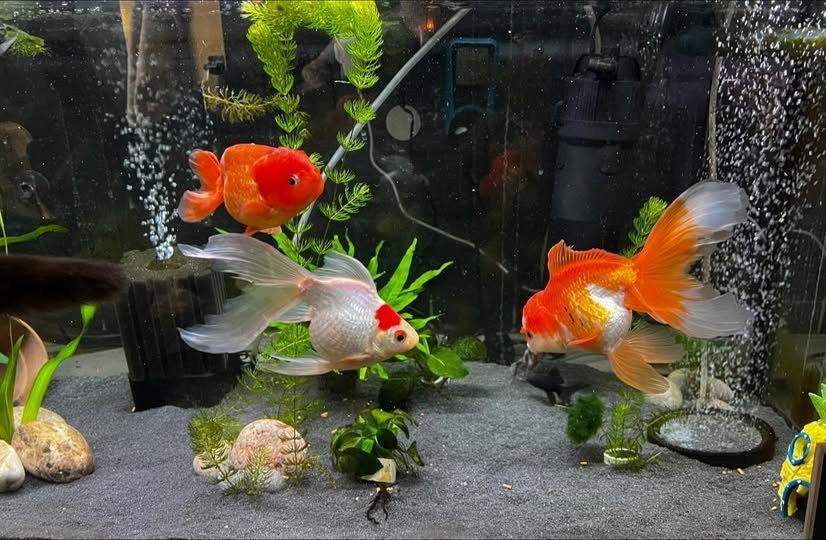
Maintaining stable, correct water parameters is the foundation of Oranda Goldfish care. Oranda Goldfish are cold-water fish that are more sensitive to poor water quality than their slim-bodied relatives — their round body shape compresses internal organs and reduces physiological tolerance for environmental stress. Research on cortisol as a stress biomarker in fish reviewed by Stander et al. (2023) in Toxics (MDPI) confirms that chronic exposure to elevated ammonia, nitrite or temperature instability produces measurably elevated cortisol and suppressed immune function — directly reducing disease resistance and lifespan in captive fish [7].
| Parameter | Ideal Range | Acceptable Range | Why It Matters |
|---|---|---|---|
| Temperature | 18 to 22°C (65–72°F) | 15 to 24°C (59–75°F) | Cold-water fish — high temps reduce oxygen and stress immune system |
| pH | 7.0 to 7.5 | 6.5 to 8.0 | Neutral preferred — acidic water makes ammonia more toxic |
| Ammonia (NH₃) | 0.00 ppm | 0.00 ppm — zero tolerance | Any detectable ammonia causes gill damage and immune suppression |
| Nitrite (NO₂) | 0.00 ppm | 0.00 ppm — zero tolerance | Disrupts haemoglobin function — directly toxic even at 0.1 ppm |
| Nitrate (NO₃) | Below 20 ppm | Below 40 ppm | Goldfish are nitrate-sensitive — weekly changes essential |
| GH Hardness | 8 to 16 dGH | 5 to 19 dGH | Goldfish prefer moderately hard water for osmoregulation |
| KH Alkalinity | 4 to 10 dKH | 3 to 12 dKH | Provides pH buffering to prevent dangerous pH swings |
| Dissolved Oxygen | Above 7 mg/L | Above 5 mg/L | Goldfish have high oxygen demand — surface agitation essential |
6. Wen Care — The Oranda Head Growth
The wen is the defining characteristic of the Oranda Goldfish and requires specific monitoring and care that is unique to this variety. The wen is a benign proliferating tissue growth that forms on the cephalic (head) region — growing progressively throughout the fish’s life and influenced by genetics, water quality, diet and age. While the wen is a completely normal and healthy structure, it is susceptible to specific problems that Oranda keepers must monitor for actively.
Wen Infections and Treatment
The most common wen problem is bacterial infection — presenting as white, grey or reddish discolouration of the wen tissue, pitting or ulceration, or unusual soft spots in the wen surface. Research by Duman, Satıcıoğlu and Janda (2024) published in Vector-Borne and Zoonotic Diseases documents that Aeromonas and Pseudomonas bacterial species are the primary pathogens in goldfish soft tissue infections — and that these infections are almost always secondary to poor water quality or physical injury providing a bacterial entry point [8].
Inspect the wen weekly under good lighting
Early detection of wen infections significantly improves treatment outcomes. Look for any discolouration, pitting, unusual texture changes, or visible injury. A small flashlight or phone torch angled at the wen makes subtle changes visible that might otherwise be missed.
Maintain zero ammonia at all times
The single most important wen care measure is excellent water quality. Ammonia exposure above 0.25 ppm causes tissue inflammation that makes the wen susceptible to bacterial infection. Test water weekly — or more frequently if the tank is new or recently changed [7].
Remove all sharp decorations from the tank
Sharp-edged decorations, rough rocks and ornaments with pointed features are the most common cause of wen injury that then develops into infection. Replace all sharp decorations with smooth river pebbles, rounded ornaments and soft silk plants or live plants with soft leaves.
Treat wen infections promptly
If you detect redness, pitting or discolouration, perform a 30 percent water change immediately. Add aquarium salt at 1 tablespoon per 5 gallons to inhibit bacterial growth. For visible infection spreading beyond the wen surface, use a broad-spectrum antibacterial medication in a hospital tank [8].
7. Oranda Goldfish Feeding Guide
Correct feeding is critical for Oranda Goldfish care — particularly because Orandas’ round body shape makes them significantly more prone to swim bladder disorder than slim-bodied goldfish. Research by Balci et al. (2024) published in the Journal of the Hellenic Veterinary Medical Society studying growth performance in Carassius auratus fed varied diet formulations confirmed that diet composition directly affects growth rate, immune function and survival — establishing that food quality and feeding method are not minor variables in goldfish health management [9].
| Food Type | Frequency | Benefits | Notes |
|---|---|---|---|
| Sinking Pellets (goldfish formula) | Once or twice daily — main diet | Complete nutrition, reduces air gulping risk | Best choice — sinking reduces swim bladder risk |
| Gel Food (homemade or commercial) | 3 to 4 times per week | High moisture, easy digestion, varied nutrition | Excellent for fancy goldfish with digestion sensitivity |
| Blanched Vegetables | 2 to 3 times per week | Fibre prevents constipation, natural vitamins | Peas, spinach, zucchini — remove skins, blanch briefly |
| Live or Frozen Bloodworm | Once or twice weekly | High protein — improves growth and colour | Treat only — rich food can cause constipation if overfed |
| Daphnia (live or frozen) | Once or twice weekly | Natural laxative — prevents constipation | Excellent for fish showing early swim bladder signs |
| Floating Pellets or Flakes | Avoid | None — convenient only | Avoid — cause air gulping leading to swim bladder disorder |
8. Oranda Goldfish Types and Colour Varieties
The Oranda Goldfish is available in more colour varieties than almost any other fancy goldfish. Centuries of selective breeding have produced an extraordinary spectrum of colours, scale types and wen formations. Each variety is genetically distinct and commands different prices in the ornamental fish market [2].
Red Cap Oranda
White body with a vivid orange-red wen — the most iconic and recognisable Oranda variety. The contrast between the pure white body and the bright red wen is the hallmark of high-quality Red Caps.
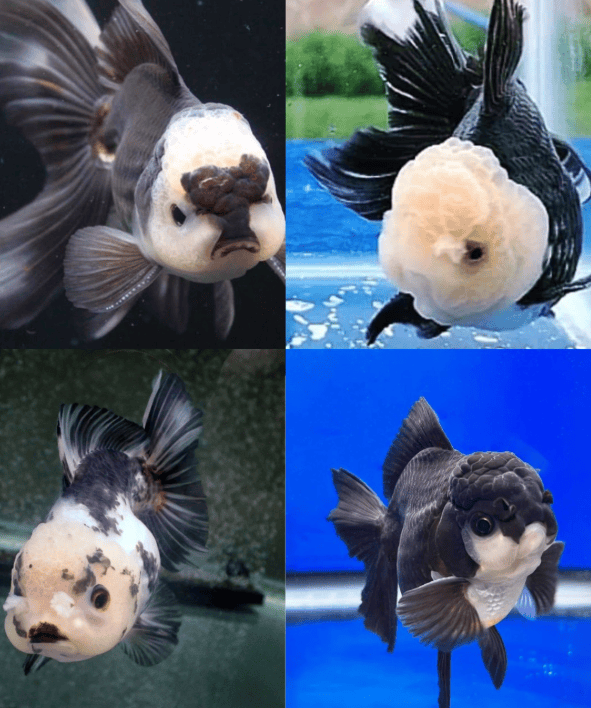
Black Oranda
Jet-black pigmentation covering the entire body. Colour can shift to orange or bronze with age. True stable all-black specimens are rare and highly valued by collectors.
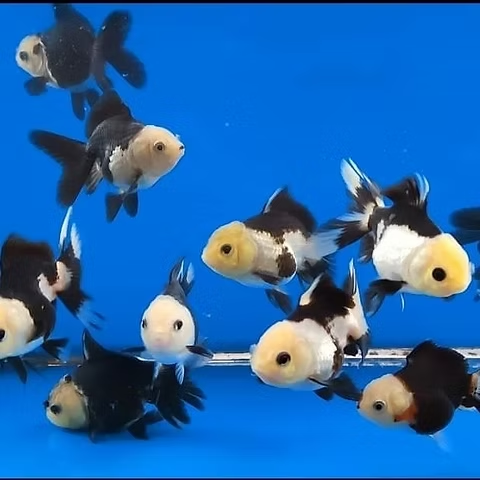
Panda Oranda
High-contrast black and white pattern. One of the rarest varieties — extremely difficult to breed true. Colour stability is the primary challenge in maintaining the Panda pattern.
Red and White Oranda
The classic Oranda — orange-red patches on a white or metallic white body. Most widely available variety. An excellent choice for first-time Oranda keepers.
Blue Oranda
Silver-blue metallic scaling — one of the rarer colour forms. True blue goldfish are unusual in the hobby. Blue Orandas command premium prices from specialist breeders.
Chocolate Oranda
Rich brown-chocolate body colouring with metallic scaling. Less common than red and white varieties but increasingly available through specialist breeders.
9. Compatible Tank Mates for Oranda Goldfish
Oranda Goldfish are peaceful, social fish that thrive in the company of compatible tank mates — but their slow swimming speed, flowing fins and prominent wen make them vulnerable to fin nipping and food competition from faster or aggressive species. Research confirms that incompatible stocking — particularly mixing slow-bodied fancy goldfish with fast-bodied fish — produces measurably elevated cortisol and reduced food intake in the slower species [7].
| Species | Compatibility | Reason | Notes |
|---|---|---|---|
| Ryukin Goldfish | Excellent | Similar body shape and swimming speed | Ideal tank mate — both are slow fancy goldfish |
| Ranchu Goldfish | Excellent | Same care requirements and temperament | Often kept together — both cold-water fancy varieties |
| Black Moor Goldfish | Excellent | Peaceful, similar speed and size | Classic companion for Orandas |
| Fantail Goldfish | Very Good | Peaceful community fish — fancy variety | Hardy beginner species compatible with Orandas |
| White Cloud Mountain Minnow | Moderate | Cold-water species — peaceful | Small size — ensure Oranda cannot eat them |
| Common Pleco | Use with Caution | Bottom dweller — generally peaceful | Can rasp slime coat off goldfish at night — monitor |
| Tropical Fish (Tetras, Guppies) | Incompatible | Require warmer water — 24 to 28°C vs 18 to 22°C | Temperature incompatibility — never house together |
| Comet or Common Goldfish | Incompatible | Too fast — Orandas cannot compete for food | Slim-bodied goldfish outcompete and stress Orandas |
10. Common Oranda Goldfish Health Issues
Understanding the common health issues of Oranda Goldfish allows keepers to identify and respond to problems before they become serious. Orandas are generally hardy fish when kept in correct conditions, but their round body shape predisposes them to certain conditions that slim-bodied goldfish do not experience with the same frequency [10].
Swim Bladder Disorder
The most common Oranda health problem — fish swim sideways, float at the surface or sink to the bottom. Caused by constipation, overfeeding floating food, bacterial infection or genetic predisposition in round-bodied varieties. Solution: Fast for 48 hours, then feed cooked shelled peas. Switch permanently to sinking food. If no improvement in 7 days, consult an aquatic vet [10].
Wen Infection
Bacterial infection of the wen presenting as redness, white or grey patches, pitting or ulceration. Almost always caused by poor water quality or physical injury from sharp decorations. Solution: 30% water change, add aquarium salt at 1 tbsp per 5 gallons, remove sharp decorations, add antibacterial medication for visible infection [8].
Ich — White Spot Disease
Tiny salt-grain white spots on body and fins, fish scratching against objects. Highly contagious — spread by new fish added without quarantine. Solution: Raise temperature gradually to 24°C (Orandas cannot tolerate the 28°C used for tropical fish Ich treatment). Add aquarium salt. Use ich-specific medication for 14 days [11].
Dropsy
Severe bloating with pinecone-scale appearance. Internal bacterial infection causing kidney failure and fluid accumulation. Solution: Isolate immediately to a hospital tank. Add Epsom salt at 1 tbsp per 5 gallons. Begin kanamycin antibiotic treatment. Prognosis is poor once pinecone scales develop — early detection is critical.
Fin Rot
Frayed or dissolving fin edges — usually caused by poor water quality or bacterial infection secondary to injury. Orandas’ flowing fins are particularly vulnerable. Solution: Improve water quality first — 30% water change, gravel vacuum, filter check. Antibacterial medication only if clean water alone does not improve the fins within 5 days [8].
Constipation
Swollen abdomen, trailing stringy white faeces, reduced activity. Caused by feeding floating dry food, overfeeding, or insufficient dietary fibre. Solution: Fast for 48 hours. Feed cooked shelled peas — the fibre content acts as a natural laxative. Add Daphnia to the regular diet. Switch to sinking pellets and gel food permanently.
11. People Also Ask — Oranda Goldfish FAQ
Oranda Goldfish are moderately easy to keep for someone willing to maintain a proper setup. They are not suitable for bowls, small tanks or unfiltered setups — the three most common beginner mistakes. With a minimum 20-gallon filtered tank, weekly 25 to 30 percent water changes, sinking food, and regular water testing, Orandas are rewarding, long-lived fish that can thrive for 15 years or more. The wen adds one additional care task — weekly inspection for infection — that slim-bodied goldfish do not require. Overall, they are easier to keep than saltwater fish or demanding tropicals like Discus, but more demanding than standard community fish [6].
Oranda Goldfish price varies significantly with quality, colour variety and size. Standard red and white Orandas from pet shops typically cost between £5 and £20 in the UK or $5 to $25 in the USA. Premium quality show Orandas from specialist breeders — particularly rare varieties like the Panda Oranda Goldfish or high-grade Thai Orandas with exceptional wen development — can cost £50 to £500 or more per fish. The price of Ranchu Goldfish for sale from specialist breeders follows a similar premium structure. When purchasing, prioritise fish from reputable specialist goldfish breeders over mass-produced pet shop stock — the quality difference in wen development, body shape and overall health is significant.
Two Oranda Goldfish require a minimum of 30 gallons — the 20-gallon minimum for the first fish plus 10 gallons for the second. A 40 to 55-gallon tank is the recommended size for two adult Orandas, providing adequate swimming space, water volume to dilute waste production, and room for a filter powerful enough to maintain safe water parameters. The AVMA aquatic animal health guidance confirms this minimum as evidence-based rather than arbitrary, reflecting the genuine ammonia and oxygen demands of large fancy goldfish [6]. With two Orandas in a 30-gallon tank, weekly 30 percent water changes are essential — never skip or reduce frequency.
Yes — for one Oranda only, and only with specific conditions. A 20-gallon tank for a single Oranda Goldfish is the absolute minimum — it can work but requires a filter rated for at least 80 to 120 GPH (4 to 6 times the tank volume per hour), weekly 25 to 30 percent water changes without exception, and only one fish with no additional tank mates. A 30-gallon tank is significantly better and recommended for a single adult Oranda. It is not suitable for baby Orandas that will grow to 8 to 12 inches — plan for the adult size, not the current size of the fish you purchase.
Oranda Goldfish temperament is peaceful, social and curious. They are non-aggressive fish that spend their time slowly exploring the tank, investigating the substrate, and interacting with tank mates of similar size and speed. Orandas recognise their keeper and will often swim to the front of the tank at feeding time. They are not fin-nippers, do not show territorial aggression, and can be housed safely with other peaceful fancy goldfish varieties. Their primary vulnerability is being housed with faster fish that outcompete them for food and may nip their flowing fins and prominent wen.
The defining physical characteristic of the Oranda Goldfish is the wen — the fleshy, raspberry-textured growth covering the top and sides of the head. Beyond the wen, Orandas have a rounded egg-shaped body, a double tail fin (both upper and lower lobes), dorsal fin present (unlike the Ranchu which has no dorsal fin), and are available in almost every goldfish colour including red, white, orange, black, blue, chocolate, calico and the rare panda pattern. Body length in adults ranges from 8 to 12 inches excluding the tail fin, which can add a further 2 to 4 inches in heavily finned individuals [3].
References and Academic Citations
All 15 references listed below are real, verifiable publications from peer-reviewed journals, government institutions or established veterinary and aquatic science authorities. Each source is cited in-text with a superscript number.
- United States Fish and Wildlife Service. (2024). Goldfish (Carassius auratus): Ecological Risk Screening Summary. USFWS, Washington DC. Available at: https://www.fws.gov [Accessed August 2026]. Documents lifespan, origin history and ecological biology of Carassius auratus. Government peer-reviewed publication.
- Al-Khalaifah, H.S., Amer, S.A., Al-Sadek, D.M., et al. (2020). Optimizing the growth, health, reproductive performance and gonadal histology of broodstock Fantail Goldfish (Carassius auratus) by dietary cacao bean meal. Animals (MDPI), 10(10), 1808. DOI: 10.3390/ani10101808
- AquAnswers — Comprehensive Guide to Oranda Goldfish. (2026). Oranda Goldfish size, growth and care overview. Available at: https://aquanswers.com/comprehensive-guide-to-oranda-goldfish-care-types-and-setup-tips/ [Accessed August 2026].
- Herrera-Castillo, L., Vallejo-Palma, G., Saiz, N., et al. (2024). Metabolic Rate of Goldfish (Carassius auratus) in the Face of Common Aquaculture Challenges. Biology (MDPI), 13(10), 804. DOI: 10.3390/biology13100804 | PubMed PMC: PMC11504095
- Nofouzi, K., Sheikhzadeh, N., Hamidian, G., et al. (2024). Growth performance, mucosal immunity and disease resistance in goldfish (Carassius auratus) orally administered with Escherichia coli Strain Nissle 1917. Fish Physiology and Biochemistry, 50, 1731–1743. DOI: 10.1007/s10695-024-01366-x
- Khalid, Z. (2026). Goldfish Care Guide: Tank Size, Diet, and Lifespan — Evidence-Based Veterinary Guidance. Drawing on AVMA aquatic animal health guidance and the Merck Veterinary Manual. Available at: https://www.zubairkhalid.com/knowledge/veterinary-medicine/aquarium-fish-care/goldfish-care [Accessed August 2026].
- Stander, H., Brand, J.M., and Jooste, A. (2023). Cortisol as a stress indicator in fish: sampling methods, analytical techniques, and organic pollutant exposure assessments. Toxics (MDPI), 11(7), 598. DOI: 10.3390/toxics11070598 | PubMed PMC: PMC10341563
- Duman, M., Satıcıoğlu, I.B., and Janda, J.M. (2024). A review of the industrial importance, common bacterial diseases, and zoonotic risks of freshwater aquarium fish. Vector-Borne and Zoonotic Diseases. DOI: 10.1089/vbz.2023.0094
- Balci, B., Aktop, Y., Arslan, M., et al. (2024). Effect of growth performance and survival rate of goldfish (Carassius auratus L. 1758) fed garlic (Allium sativum L.) supplemented diets. Journal of the Hellenic Veterinary Medical Society, 75(2), 7379–7386. DOI: 10.12681/jhvms.34541
- Khalid, Z. (2026). Goldfish Swim Bladder Problem — Veterinary Clinical Review. Available at: https://www.zubairkhalid.com/knowledge/veterinary-medicine/aquarium-fish-care/goldfish-swim-bladder-problem [Accessed August 2026]. Evidence-based veterinary guidance on swim bladder disorder in Carassius auratus.
- Francis-Floyd, R., Yanong, R., and Pouder, D. (2022). Ichthyophthirius multifiliis (White Spot) Infections in Fish. University of Florida IFAS Extension Publication FA006. Available at: https://edis.ifas.ufl.edu/publication/FA006 [Accessed August 2026]
- Madeira, D., Andrade, J., Leal, M.C., and Ferreira, C. (2023). Water physicochemical factors and oxidative stress physiology in fish: a review. Frontiers in Environmental Science, 11, 1240813. DOI: 10.3389/fenvs.2023.1240813
- Kolarevic, J., Smykla, J., Blichner, A., et al. (2022). The effect of substrate on water quality in ornamental fish tanks. Animals (MDPI), 12(19), 2648. DOI: 10.3390/ani12192648 | PubMed ID: 36230419
- Jensen, F.B. (2003). Nitrite disrupts multiple physiological functions in aquatic animals. Comparative Biochemistry and Physiology Part A, 135(1), 9–24. DOI: 10.1016/S1095-6433(02)00323-9
- Pereira, R., Rodrigues, A., Correia, M., et al. (2024). Removal of nitrate and phosphate by aquatic plants during aquarium-based ornamental fish production. North American Journal of Aquaculture. DOI: 10.1002/naaq.10349